What Our Horticulture Consulting Covers
A Houston Xeriscape horticulture consultation begins with an in-person visit to your property. We assess your soil composition and drainage characteristics, evaluate sun and shade patterns across different areas of the yard throughout the day, review your existing irrigation infrastructure, and discuss your aesthetic goals, maintenance expectations, and plant material budget. Houston generally sits within USDA Hardiness Zone 9a, a designation that reflects the city's typical minimum winter temperatures and directly determines which plants will survive the freeze events that occur with more regularity than many homeowners expect when they focus primarily on summer heat and drought tolerance during plant selection. Getting hardiness zone selection right is the difference between a landscape that comes back strong every spring and one that suffers significant cold damage every winter.
Understanding the distinction between native and adaptive species is one of the most practically valuable pieces of knowledge we share in every consulting session. Texas native plants evolved specifically in the Gulf Coast region and are adapted to Houston's precise combination of clay soils, rainfall variability, humidity, and seasonal temperature swings. Adaptive species come from other regions with broadly similar climate characteristics, often the Mediterranean, parts of Mexico, or other humid subtropical environments, and many perform reliably in Houston despite not being native to Texas. Both categories belong in a well-designed Houston landscape, and knowing which specific species from each category suit your particular site conditions, sun exposure, and aesthetic goals is the knowledge our consulting puts directly in your hands.
Seasonal planting windows in Houston matter more than most DIY gardeners realize. According to Texas A&M AgriLife Extension, the optimal planting windows for native and drought-tolerant species in the Houston region are fall, from October through November, and early spring, from February through March, periods when soil temperatures support root establishment without the combined stress of summer heat and humidity that dramatically increases irrigation requirements during establishment. Planting outside these windows is manageable but significantly increases the supplemental water a new plant needs to establish, and reduces survival rates for species that would otherwise settle in with minimal intervention.
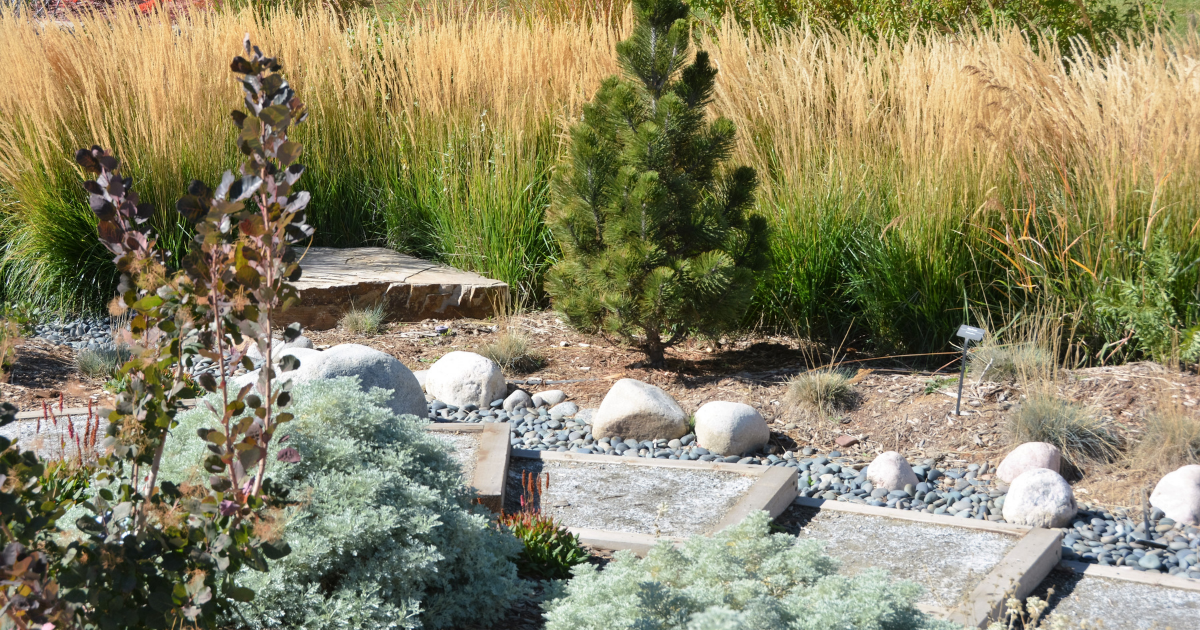
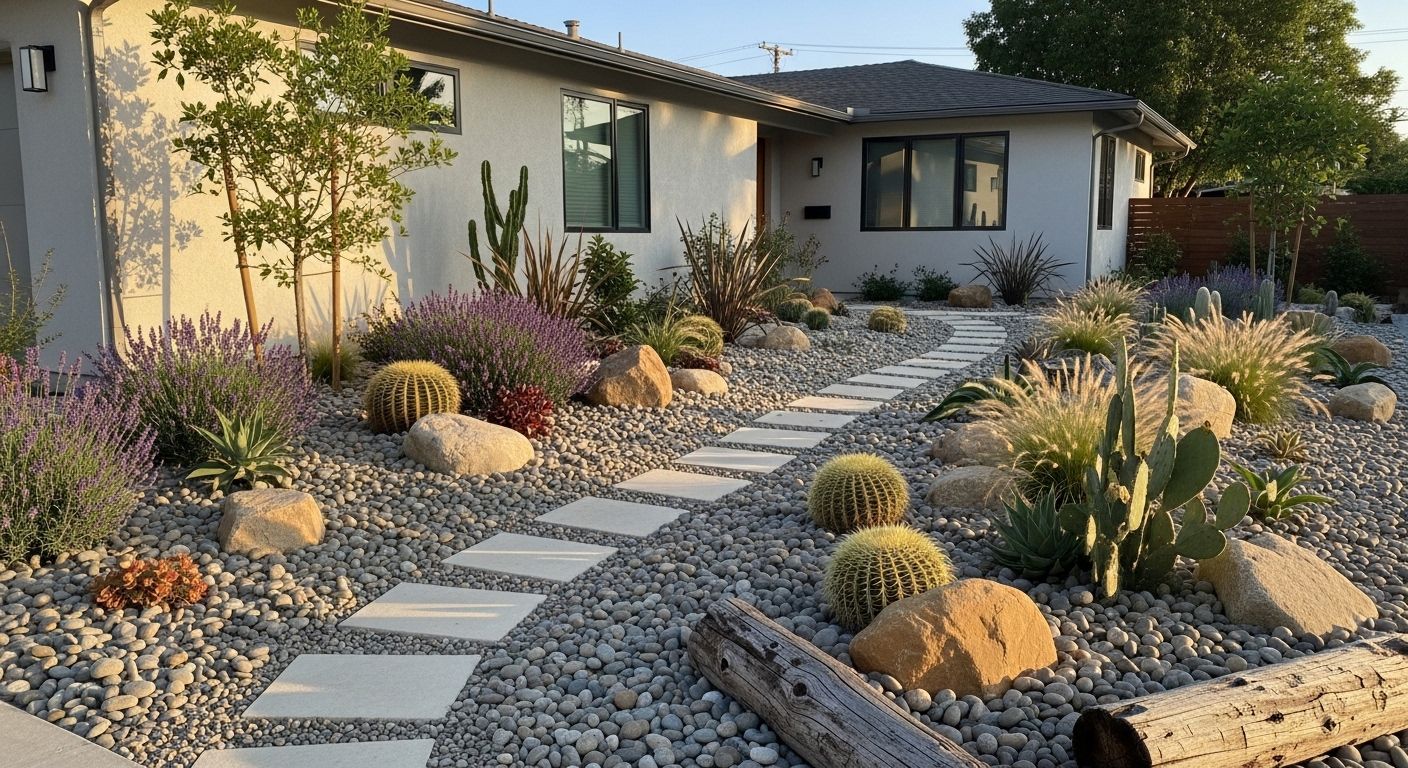
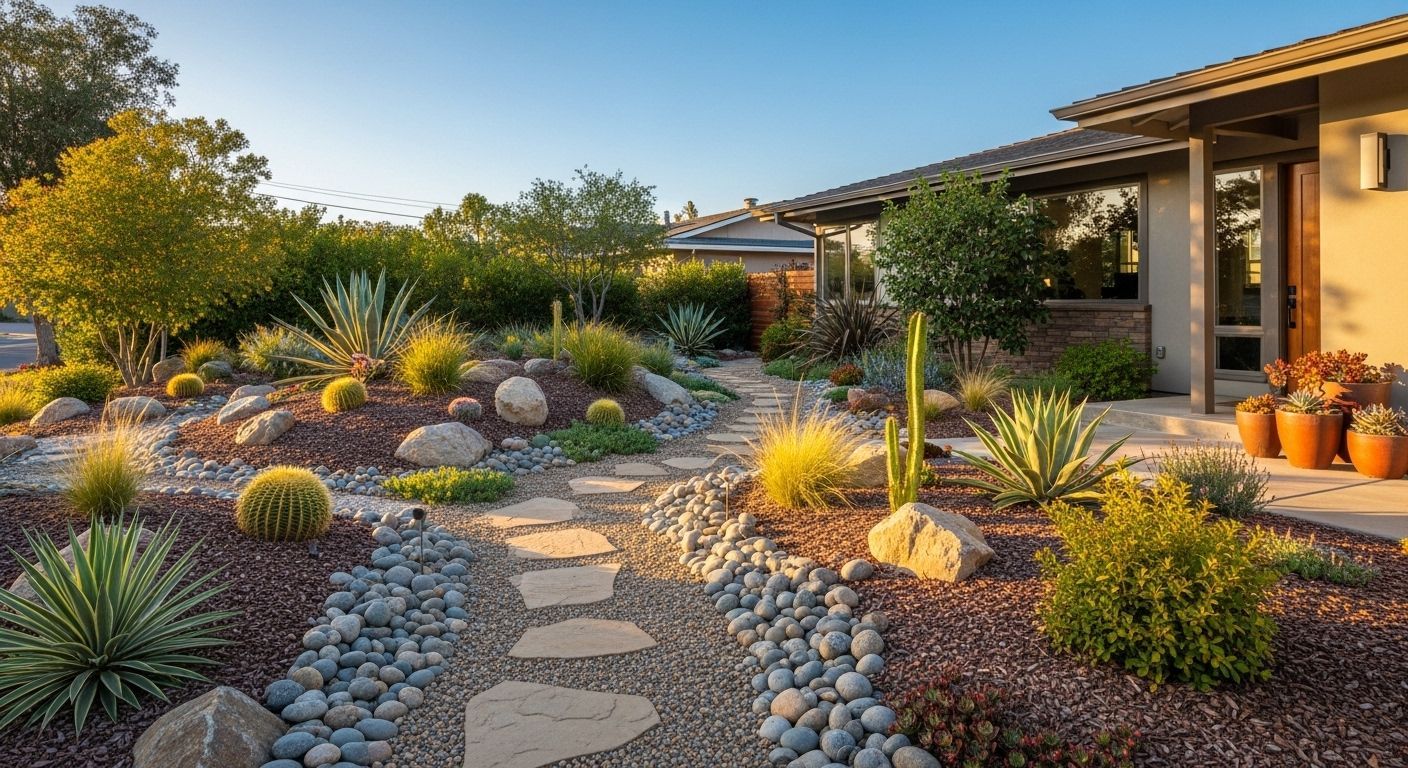
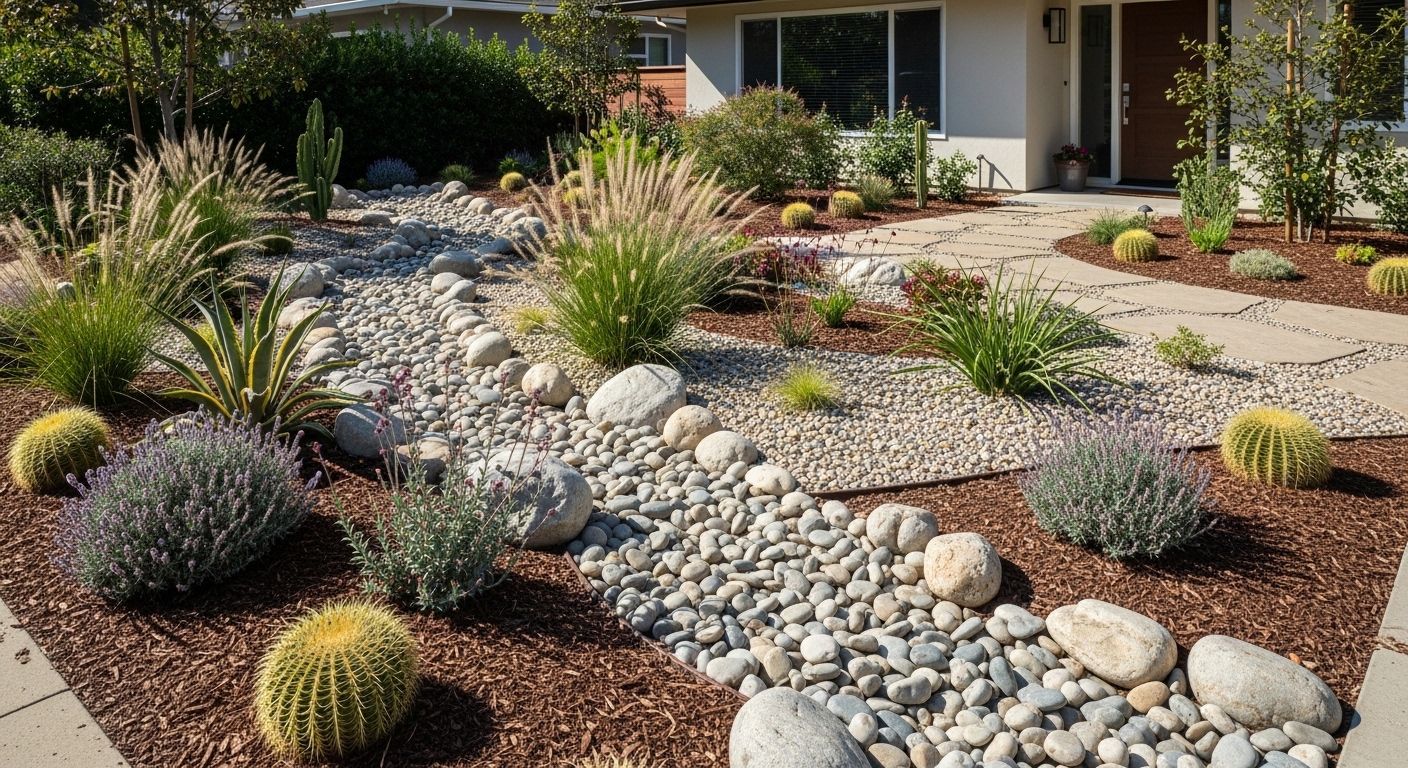
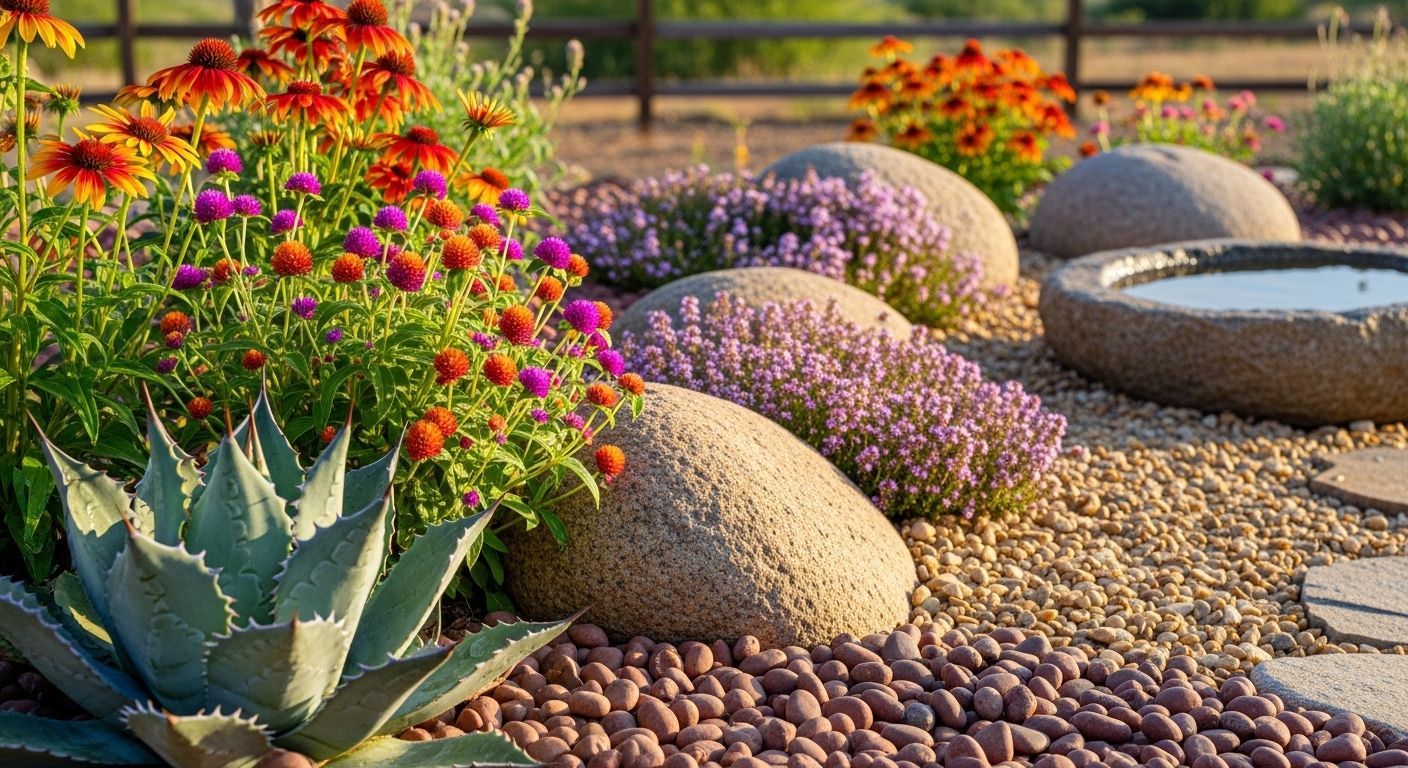
The plant recommendations we produce are specific, named, and actionable. We identify Texas native plants, waterwise shrubs, drought-tolerant ground covers, native grasses, and ornamental grasses by species, note their placement requirements within your specific yard, and provide guidance on spacing, establishment watering, and long-term care. The Native Plant Society of Texas notes that properly established native plant landscapes require little to no supplemental watering beyond their first growing season, a performance standard that begins with plant selection decisions made before anything goes in the ground.