Drought-Tolerant Landscaping Houston | Low-Water Native Plant Landscape Design & Installation

Houston homeowners who have maintained a conventional lawn through a few summer seasons already understand the frustration intimately. The grass browns and goes dormant during the dry stretches, the irrigation runs constantly trying to compensate, the water bills climb through July and August, and despite everything poured into keeping it alive, the yard still looks stressed and tired by the time fall arrives. Then the rains return, the lawn floods, and the whole cycle starts again the following spring. Drought-tolerant landscaping exists to break that cycle permanently, replacing the plant material that is causing the problem with species genuinely built to handle Houston's seasonal extremes, wet winters, brutal summers, periodic drought stretches, and everything in between, without the constant irrigation and maintenance that conventional lawns demand.

Our Services →

The Real Cost of Water-Hungry Landscapes in Houston

Conventional turf and ornamental landscaping in Houston is expensive to maintain not because the plants are particularly demanding by the standards of other climates, but because they are fundamentally mismatched to the conditions Houston actually delivers. Houston's clay soils restrict drainage, making roots shallow and vulnerable to heat stress during dry periods. Periodic drought cycles, which have increased in frequency and intensity across the region over the past two decades, push irrigation demands well beyond what a normal supplemental schedule delivers. 


According to the Texas Water Development Board, outdoor landscape irrigation accounts for approximately 30 percent of residential water use in Texas on average, with that figure climbing significantly during drought events when supplemental irrigation carries the entire load. The 2011 drought alone caused an estimated five billion dollars in agricultural and landscape losses across Texas, and residential lawns across the Houston area were among the most visible casualties. Drought-tolerant landscaping addresses these costs at the source by replacing the plants generating the highest water demand with species that evolved to handle exactly these conditions.
estimated_quoteArtboard 3

Get a Free Quote

Contact Us

Xeriscape Design, Installation & Landscape Restoration Solutions

Satisfied Clients

quotes2Artboard 2

Drought-Tolerant Plants That Thrive in Houston

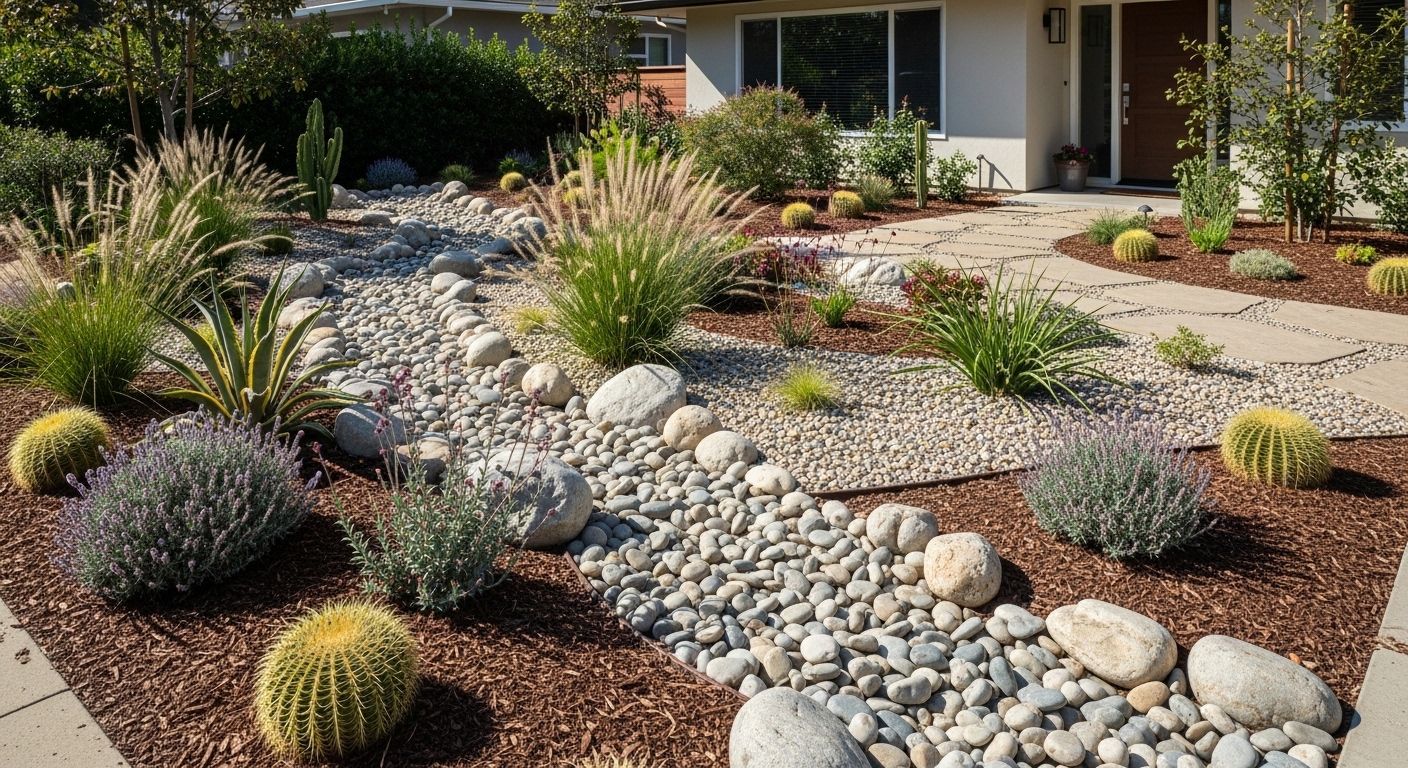
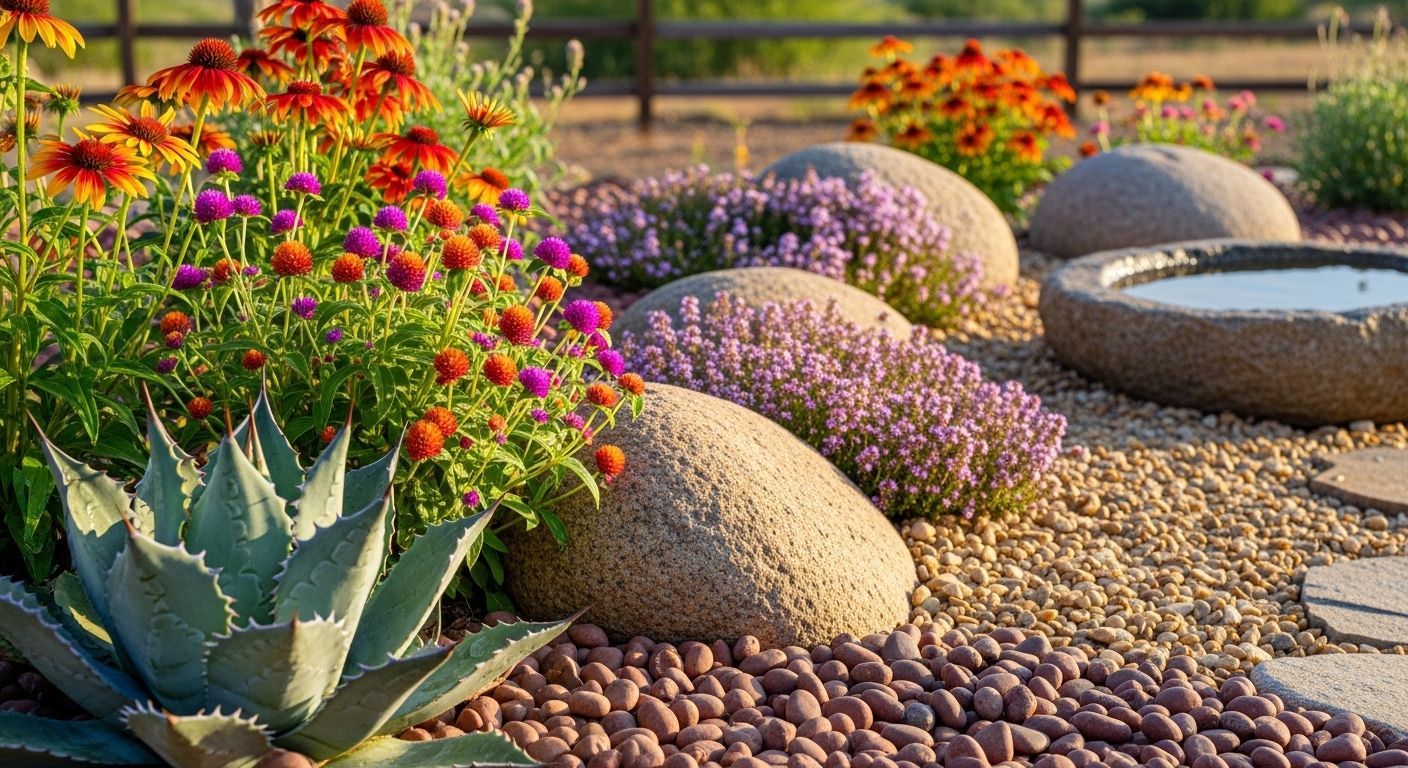
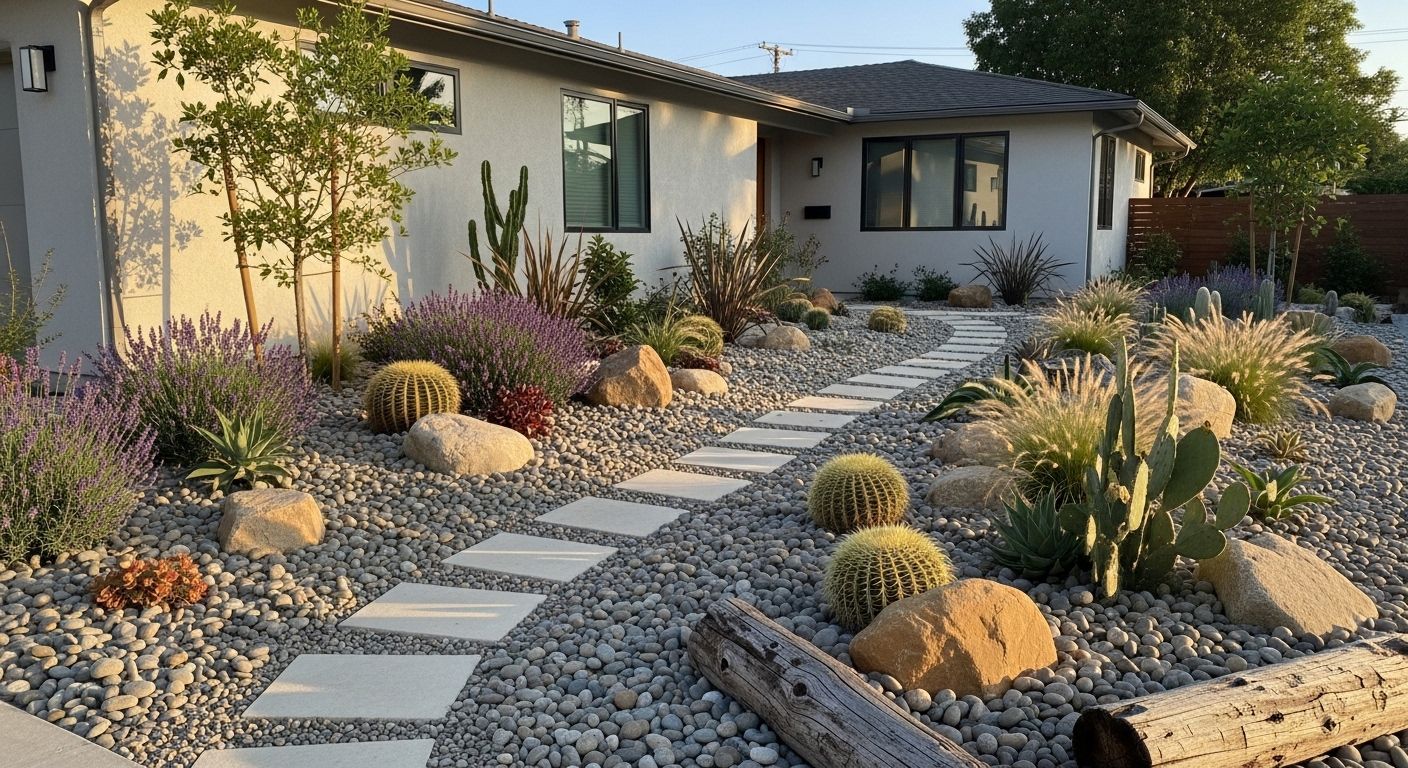
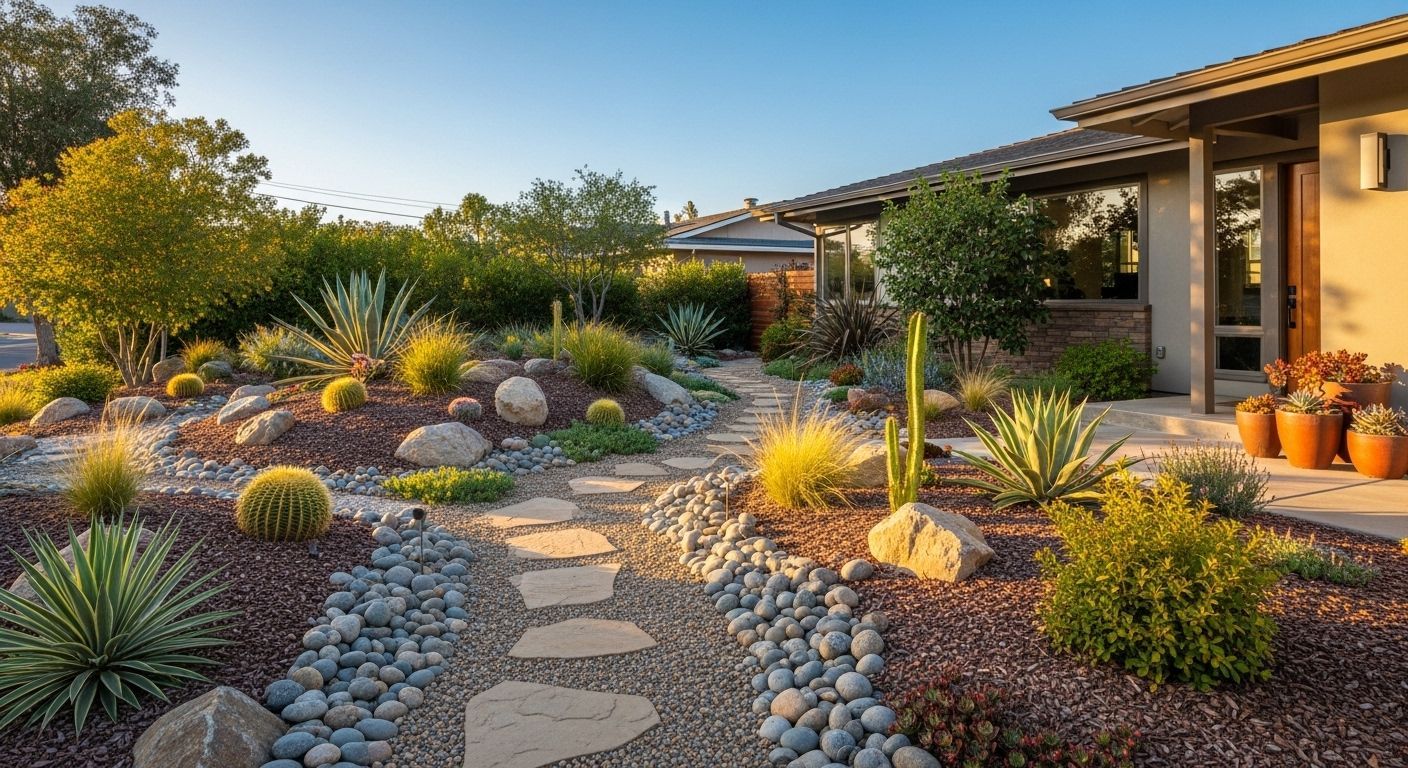
The plant palette available for drought-tolerant landscaping in Houston is more diverse and visually interesting than most homeowners realize before working with a knowledgeable native plant designer. Texas sage delivers silvery foliage and purple blooms that emerge reliably after rain events and handle extreme summer heat without supplemental irrigation.


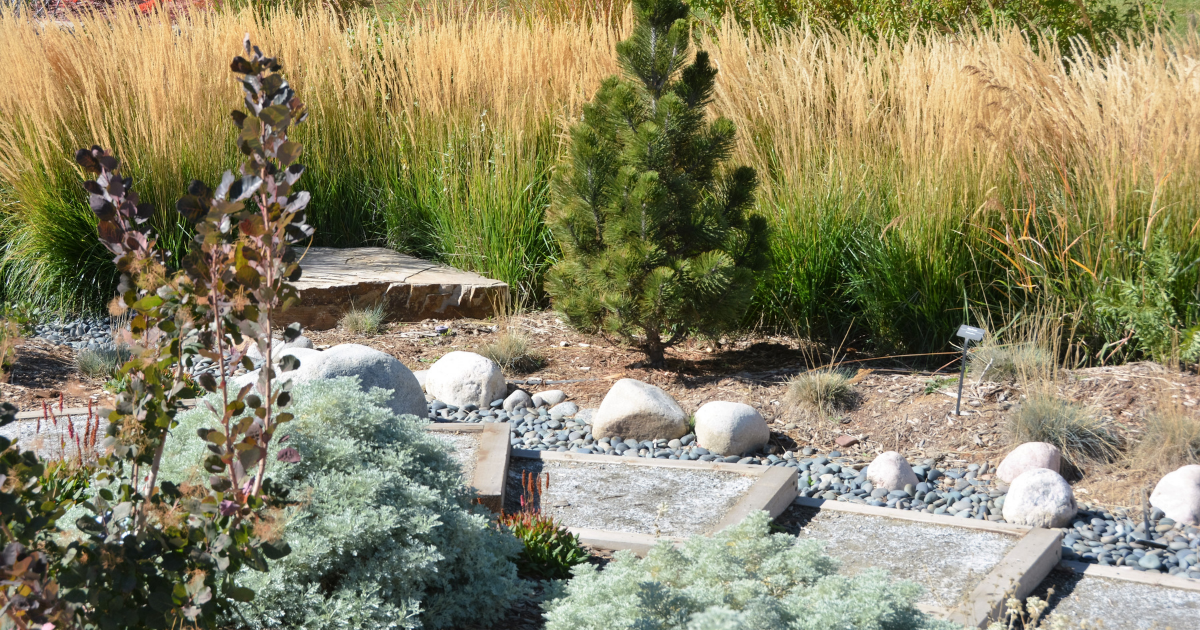
Blackfoot daisy produces cheerful white flowers from spring through fall with minimal water requirements once established. Gulf muhly grass turns a stunning pink-purple in fall, creating dramatic seasonal color that no conventional ornamental grass can match for low-maintenance performance in this climate. Turk's cap, autumn sage, and a wide range of Texas native shrubs and native plant bushes round out a plant palette that delivers color, texture, and year-round interest without the irrigation demands of conventional landscaping.


Buffalo grass lawns are an increasingly popular alternative to conventional St. Augustine or Bermuda turf for Houston homeowners who want a maintained lawn appearance without the high-input irrigation requirements. Once established, buffalo grass requires a fraction of the water that conventional turf demands and handles summer heat stress without the browning and dormancy cycles that make conventional lawns look neglected through the most visible months of the growing season.


Ground covers in drought-tolerant landscapes serve multiple functions simultaneously. Mulch applied at the correct depth conserves soil moisture, moderates root zone temperature during summer heat events, and suppresses weed growth that competes with establishing plants for water and nutrients. Decomposed granite and native groundcovers used in appropriate areas reduce total irrigated surface area while providing a finished, professional appearance.

Xeriscaping Near Me?

Soil Amendment and Deep-Root Watering

Drought-tolerant landscaping performs best when Houston's clay soils are properly amended before planting begins. Clay soils restrict drainage and root penetration in ways that stress even well-adapted native plants if left unaddressed. Houston Xeriscape amends soil prior to every installation and configures drip irrigation for deep, infrequent watering that encourages deep root development, producing more resilient plants that need less intervention as they mature.


If you are ready to replace a high-maintenance, water-hungry lawn with a drought-tolerant native plant landscape built for the climate you actually live in, contact Houston Xeriscape today to schedule your site assessment.