Houston Xeriscape brings its full-service native plant and drought-tolerant landscape design and installation capabilities to College Station, covering every stage of a project from the first in-person site assessment through completed installation and ongoing seasonal care, regardless of which part of this diverse community your property sits in.
Drought-Tolerant Landscaping
College Station, TX
| Houston Xeriscape Serving Fort Bend County
College Station carries the energy of a university town without the transience that sometimes defines them, a community where Texas A&M sets the cultural tone but where a substantial and growing permanent resident population has built something that feels genuinely settled and invested in its own long-term character. The residential landscape here reflects that duality, rental properties and smaller homes near campus where landscaping has historically been an afterthought, established owner-occupied neighborhoods further out where homeowners take their properties seriously, and a wave of newer residential development expanding across the surrounding Brazos County terrain where builder-grade turf installations are already demonstrating the same limitations that drive homeowners throughout the Houston region toward native plant alternatives.
What Is Xeriscaping — and Why Does It Matter in Houston?
Get a Free Quote
Contact Us
Xeriscape Design, Installation & Landscape Restoration Solutions
Satisfied Clients


College Station's growing conditions sit at the intersection of the Brazos Valley's specific climate characteristics and the same broader Central Texas pressures that test conventional landscaping throughout this part of the state. Clay-heavy soils that restrict drainage during heavy rainfall events and compact during dry periods, summer temperatures that regularly push past 100 degrees, winter cold fronts that deliver genuine freeze events several times a season, and a rainfall pattern that swings between wet and genuinely dry with little predictability across any given year all shape what a native plant landscape here needs to look like and how it needs to be built.
Getting those decisions right depends on genuine knowledge of what actually performs in Brazos County conditions, not a generic Central Texas plant list applied without accounting for the local specifics. According to the Texas Water Development Board, outdoor landscape irrigation accounts for approximately 30 percent of residential water use in Texas on average, rising substantially during drought periods, and native plant landscapes built around species adapted to these exact conditions reduce that dependency in a fundamental and lasting way.
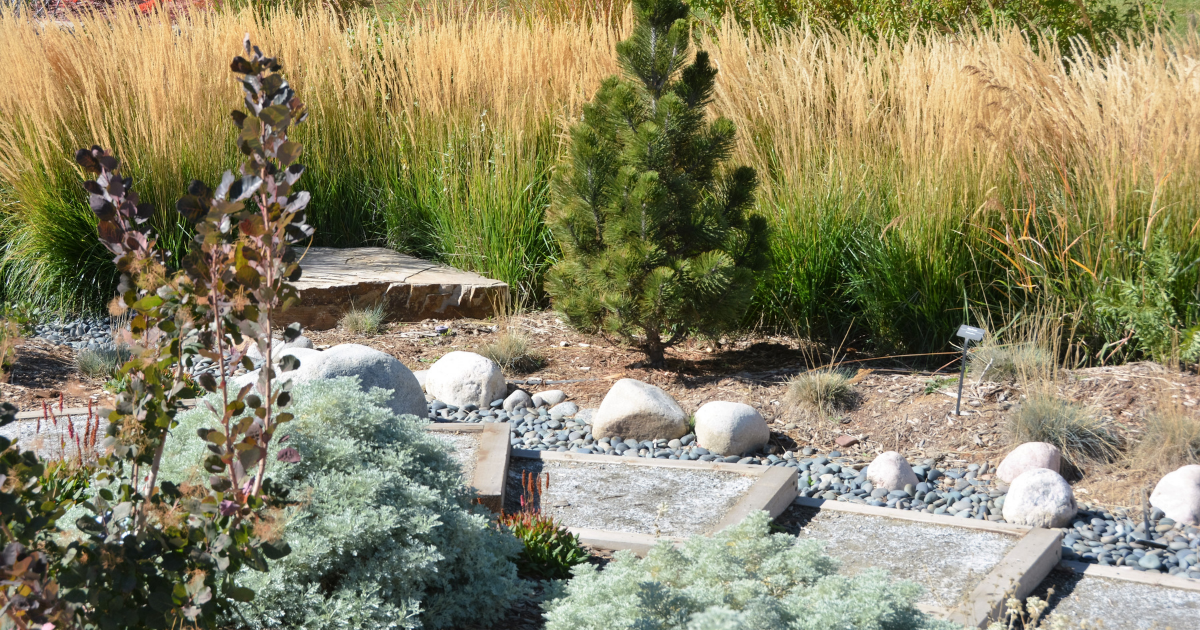
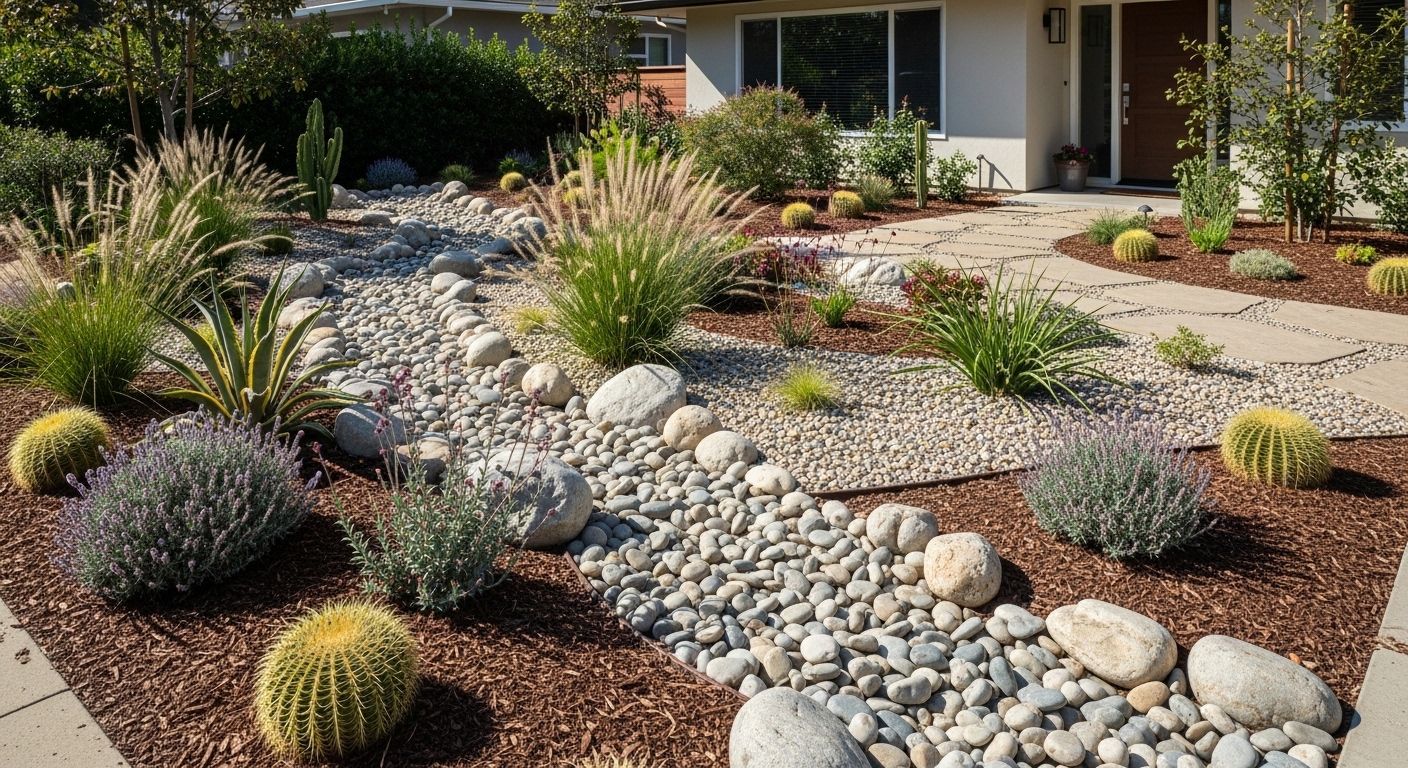
Every College Station project begins with an actual site visit rather than a design assumption. We walk the property, evaluate soil composition and drainage characteristics, map sun and shade patterns throughout the day, and assess existing irrigation infrastructure before a single plant species is proposed or a design direction is committed to. That assessment drives a complete native landscape design plan incorporating Texas native and Brazos Valley-adapted species, mulch, ground covers, hardscape integration, and drip irrigation calibrated to what the specific plant palette actually needs. Drought-tolerant landscaping installations swap out conventional turf and thirsty ornamental plantings for native species that handle College Station's full seasonal range without the ongoing resource input conventional landscaping demands.
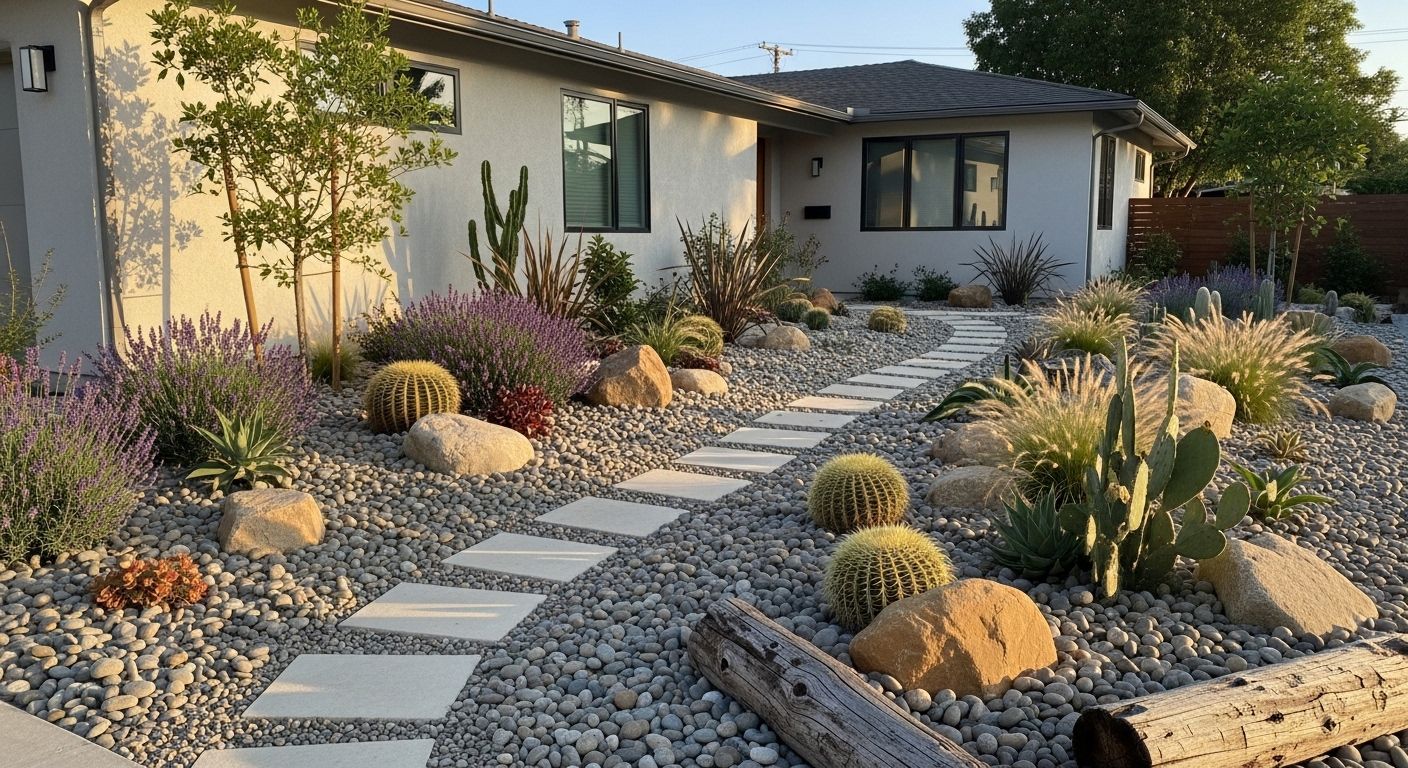
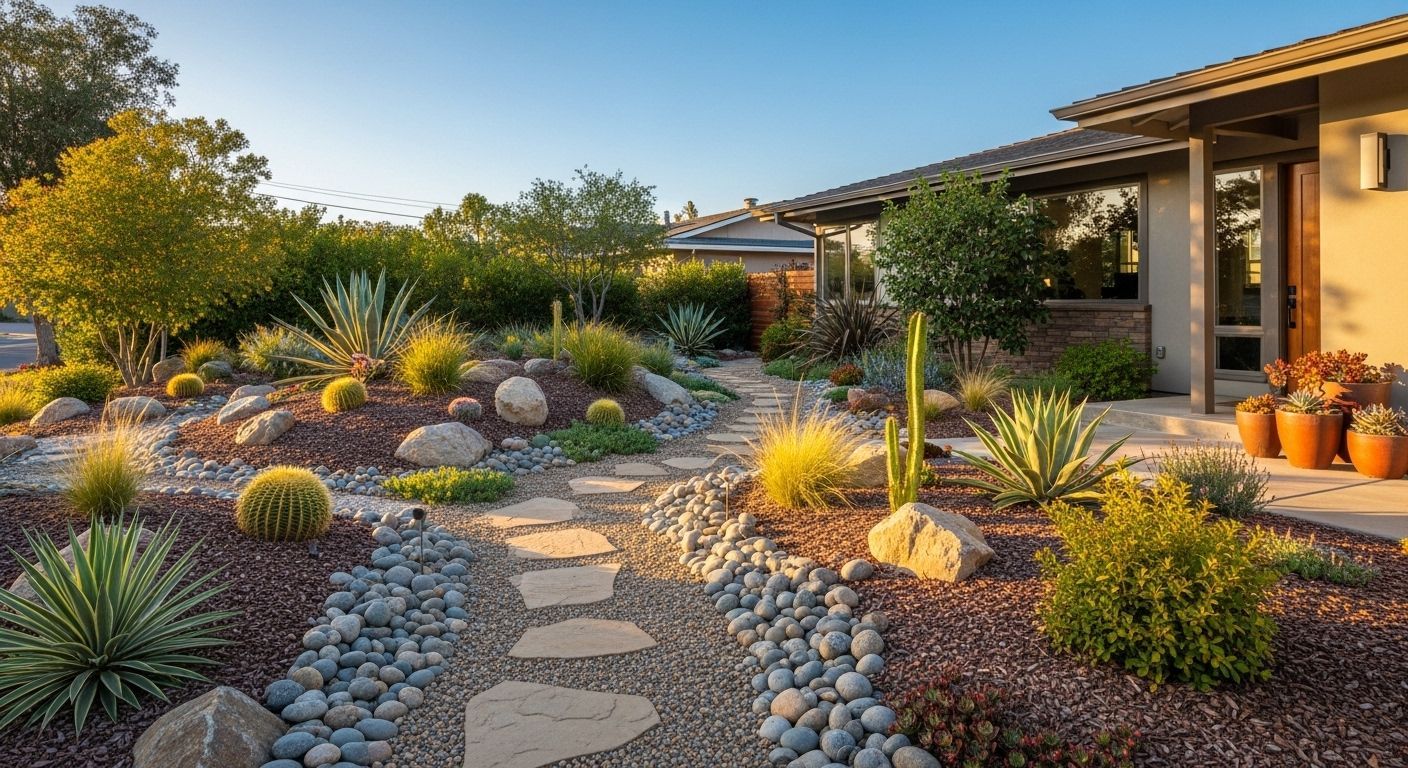
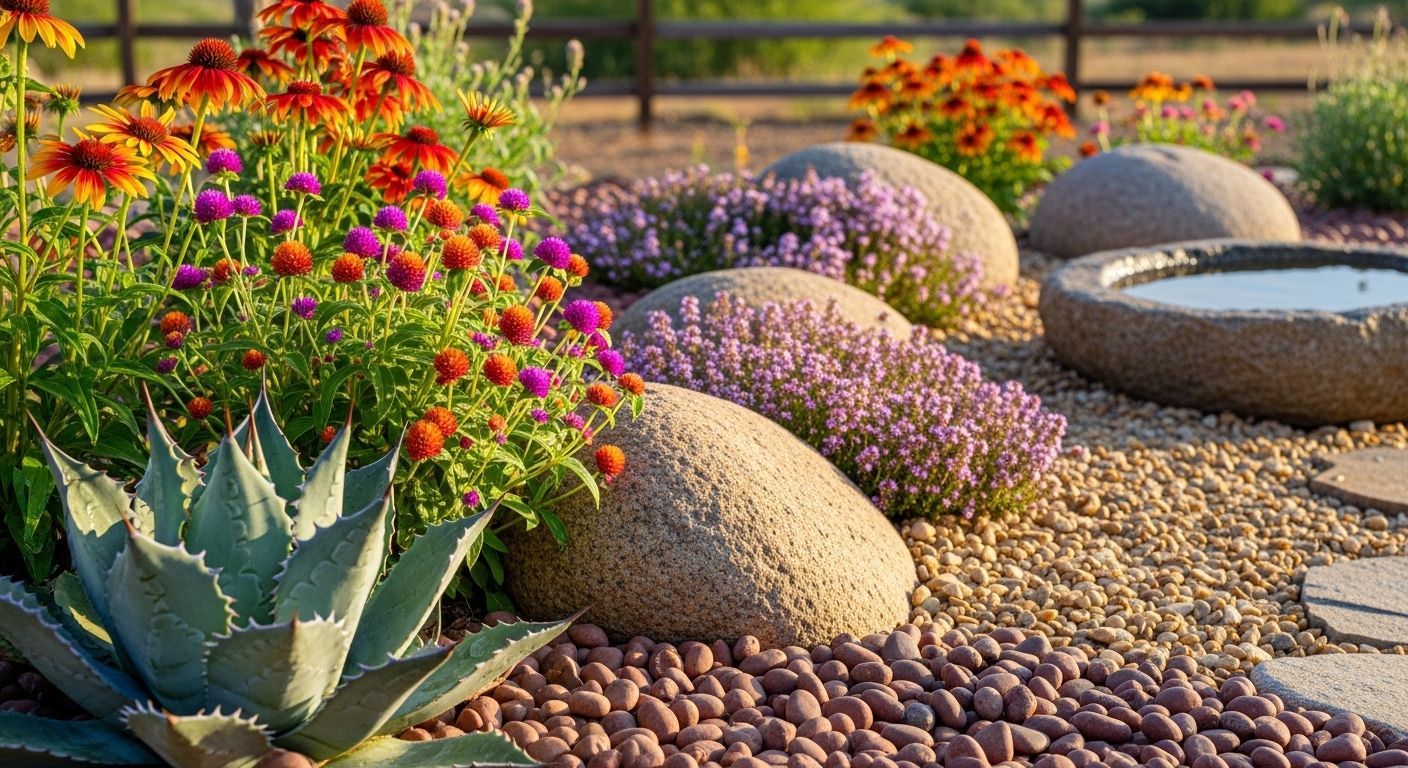
Front yard ideas range from simple, inexpensive native plant refreshes that dramatically improve the curb appeal of properties that have carried neglected conventional lawns for years, to more fully developed native plant compositions with layered seasonal color and genuine pollinator habitat value. Backyard design incorporates rain garden features that address the drainage variability common across Brazos County terrain alongside outdoor living compositions suited to College Station's climate and the way Aggieland homeowners actually use their outdoor spaces.
Commercial properties, rental portfolios, and HOA-managed communities throughout College Station are well served by our large-scale commercial and HOA native plant landscaping capabilities, which handle phased conversions and large footprint installations with the project management depth these scopes require. Texas Property Code Section 202.007 gives College Station homeowners in managed communities legal protection against HOA restrictions that would block water-conserving landscaping and native plant installations, a protection that matters in neighborhoods where older community guidelines might otherwise create barriers.
Our landscaping design and installation service is available for any College Station client whose primary motivation is simply a better-looking, lower-maintenance outdoor space, and our horticulture and plant selection consulting delivers expert, site-specific plant guidance tailored to Brazos County growing conditions without requiring a full installation commitment.
The Harvard Joint Center for Housing Studies reports that professionally designed and installed landscapes increase residential property values by an average of 10 to 12 percent, a return that compounds meaningfully with ongoing water savings in a College Station market where well-maintained properties attract sustained buyer and renter interest. Water conservation incentives available through relevant College Station and Brazos County water providers are always confirmed at the time of consultation since eligibility and amounts change.
If you have been searching for drought-tolerant landscaping near me in College Station or want a native plant landscape team that understands Brazos County's specific growing conditions, get in touch with Houston Xeriscape today to arrange your site assessment.